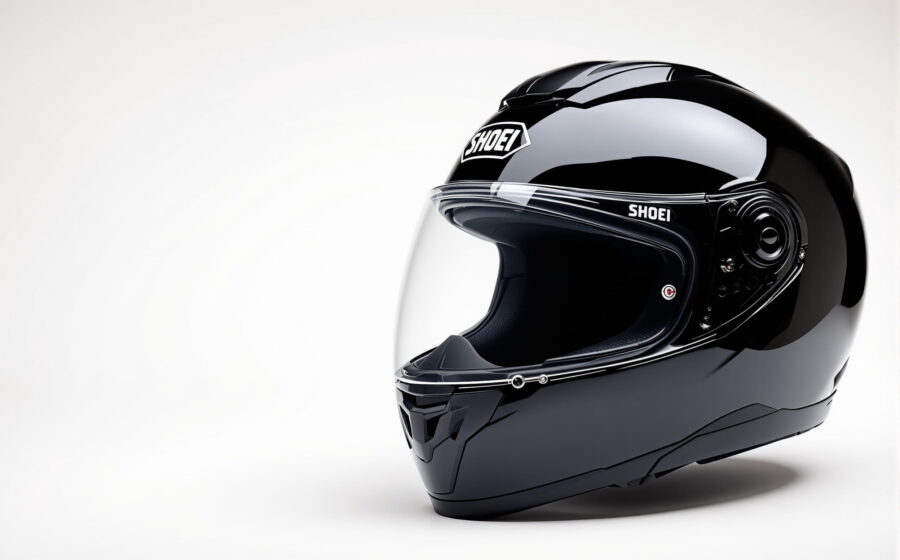
We compare the pros and cons of half helmets and full-face helmets to help you decide which style suits your riding needs. Choosing the right motorcycle helmet is one of the most important decisions a rider can make. Your helmet directly impacts your safety, comfort, and overall riding experience.
With so many options on the market, narrowing down the choices often comes down to two major categories: half helmets and full-face helmets. Each style offers a distinct set of features tailored to different types of riders. Let’s break down the differences between these two popular options so you can hit the road with confidence.
Pros and Cons of Half Helmets
Half helmets, often referred to as “brain buckets,” cover the top of your head and sit just above your ears. They are a classic choice for riders who want to feel the wind on their face.
Pros of Half Helmets
The biggest advantage of a half helmet is the airflow. Because your face is entirely exposed, you get maximum ventilation, making this style incredibly comfortable during hot summer rides. Half helmets are also incredibly lightweight. This reduces neck fatigue on longer trips. Additionally, the open design provides an unobstructed field of vision, allowing you to easily see your surroundings and hear traffic.
Cons of Half Helmets
The primary drawback is the lack of protection. Half helmets leave your face, chin, and jaw completely exposed in the event of an accident. They also offer zero protection from environmental elements like rain, dust, bugs, and road debris. If you wear a half helmet, you will need to invest in a good pair of riding goggles or sunglasses to protect your eyes.
Pros and Cons of Full-Face Helmets
Full-face helmets cover your entire head, including the back of your skull, the base of your neck, and your jaw. They feature a built-in face shield and a rigid chin bar.
Pros of Full-Face Helmets
When it comes to safety, full-face helmets are unmatched. The chin bar is a crucial safety feature, as statistics show the chin is a major impact point during motorcycle crashes. These helmets also provide excellent protection against the elements. You are shielded from wind noise, rain, flying insects, and cold weather. Many full-face options also include advanced ventilation systems and Bluetooth communication compatibility.
Cons of Full-Face Helmets
Full-face helmets are heavier than half helmets, which might cause some neck strain for new riders unused to the weight. They can also get quite warm during low-speed riding in hot weather, even with the vents fully open. Some riders feel a bit isolated or enclosed due to the reduced peripheral vision and muffled sound, though modern designs have vastly improved visibility.
Comparison of Styles and Safety
When comparing styles, your choice often aligns with what you ride. Cruiser and chopper riders tend to gravitate toward half helmets for the traditional aesthetic and the raw, connected feel of the road. Sportbike and touring riders usually prefer full-face helmets for the aerodynamic benefits and high-speed protection.
Safety should always be the priority. Regardless of which style you prefer, you must ensure the helmet carries a legitimate safety certification. Look for a Department of Transportation (DOT) sticker at a minimum. For superior safety, seek out helmets with Snell or ECE certifications. While a DOT-approved half helmet will protect the top of your head from severe trauma, a full-face helmet will always provide a significantly higher overall level of protection.
Choosing the Right Helmet for Your Needs
Selecting the ideal motorcycle helmet comes down to assessing your personal risk tolerance, your riding environment, and your comfort preferences. If you stick to low-speed cruising on hot days and value maximum airflow, a half helmet might be a suitable choice. However, if you ride at highway speeds, commute daily, or simply want the best possible protection for your head and face, a full-face helmet is the clear winner.
Consider visiting a local gear shop to try on both styles. Feeling the weight, testing the fit, and experiencing the field of vision firsthand will make your decision much easier.